FederalFormally Recognized: 1987/03/30
Melanson Settlement National Historic Site of Canada
Lower Granville, Nova Scotia
Other Names: Oak PointMelanson Settlement National Historic Site of CanadaMelanson SettlementÉtablissement-MelansonOak Point
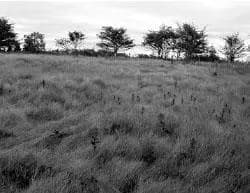
General view of the Melanson Settlement National Historic Site of Canada, showing the historic view planes of surrounding agricultural field systems, 2001.; Agence Parcs Canada / Parks Canada Agency, S. Quon, 2001.
- Description of Historic Place
- Melanson Settlement National Historic Site of Canada is the upland village fragment of a 17th- and 18th-century Acadian family farming settlement along the Annapolis River. It consists of a dyked terrace with subsurface archaeological remains, situated in the salt marshes of the Annapolis River.
- Heritage Value
- The Melanson Settlement was designated a national historic site of Canada in 1986 because its in-situ resources reflect the family communities in which the Acadians settled along the Dauphin (now Annapolis) River and undertook a form of agriculture unique in North America.
- Character-Defining Elements
- Key elements that contribute to the heritage character of the site include:- the cultural landscape of the Melanson settlement with its historic view planes of surrounding agricultural field systems, the vestiges of the Gilbeau-Melanson dykes, the adjacent salt marshes and Annapolis River;- the upland terrace upon which the Melanson settlement village was located with its archaeological remnants of Acadian life;- the found form, massing, and materials of the dyke supporting the upland terrace;- the setting of the site among the salt marshes, isolated from modern development.
Images
General view of the Melanson Settlement National Historic Site of Canada, showing the historic view planes of surrounding agricultural field systems, 2001.; Agence Parcs Canada / Parks Canada Agency, S. Quon, 2001.